The Cottagecore Era Is Over. The New Girlboss Doesn't Need a Slogan.
 Priyanka
From sourdough and prairie dresses to Maddy Perez and the corner office -- on the aesthetic shift the brand machine is racing to monetize, and the writers who saw it first.
The dominant female aesthetic of the early 2020s was a woman in a linen apron pulling a sourdough out of a wood-fired oven in a Utah ranch kitchen. By the spring of 2026, that woman is gone. What is replacing her is a colder, more transactional figure: a Gen Z woman who openly likes money, does not feel the need to dress her ambition in feminism, and is statistically likely to out-earn the man she is dating. Cottagecore and the tradwife trend that grew out of it had a four-year run as the default female fantasy on social media. They are now in obvious decline, and the cultural product taking their place is some version of the girlboss again -- but a version that has watched the last cycle, learned the lessons, and refuses to wear the t-shirt.
On May 12, the writer Priyanka Desai posted the cleanest version of this thesis on X: some kind of girlboss-coded revival was coming, she thought, because Gen Z women were moving away from the tradwife and toward a "pro-capitalism" posture closer to Maddy from Euphoria. A few hours later, Emily Sundberg -- who writes the Feed Me newsletter and has built a small empire out of catching culture before it knows it is happening -- quote-tweeted her with the corrective: she thinks about that, she said, every time she sees a campaign that glamorizes corporate objects like "blazer" and "desk."
Both observations are correct. They are also pointing at slightly different animals. Priyanka is naming the demographic shift; Emily is naming what the brand machine is already trying to do with it. The space between those two tweets is the actual story of 2026.
The girlboss didn't come back. She stopped apologizing.
Start with the receipts, because the receipts are the least-discussed part of this story.
In June 2025, the UK's Centre for Social Justice published its "Lost Boys" report and accidentally redrew the British class map: the Gen Z gender pay gap had reversed. Women aged 16 to 24 were paid slightly more than men their age. Two months later Investopedia ran an analysis arguing American women are "poised to outearn men in the coming years", built on degree attainment, sector composition, and household wealth. By March 2026, RBC Wealth Management was publishing data showing millennial women's wealth is now outpacing men's. The 84-cents-on-the-dollar pay gap that still anchors most trend pieces is a legacy average dragged down by fifty-year-old men with three decades of tenure. Among the cohort actually wearing the blazers, the math has flipped.
This is the part that explains the cultural product, not the other way around. Gen Z women are not gravitating toward openly pro-capitalism aesthetics because a TV show told them to. They are gravitating that way because they have the bank statements to back the lifestyle. The post-victimhood, post-feminism Maddy Perez of Euphoria's Season 3 time jump -- transactional, hungry, in vintage Norman Norell -- is not an aspirational accident. She is a market signal in eyeliner. The 2015 girlboss had to argue she deserved the corner office. The 2026 version increasingly owns the lease.
The tradwife was always the inversion of this trend, not its opposite. The "trad" influencer in the prairie dress on a Utah ranch was almost always a full-time content creator with a manager and a brand deal, and the Lara Trump-shared poll claiming 47% of Gen Z women dream of being tradwives turned out to be junk methodology. The aesthetic ran ahead of the demographic and the demographic never showed up. Cottagecore is collapsing now because the women it claimed to represent were never there.
The founders are back. They did not learn their lesson, and that is the point.
In August 2025, Bloomberg's Beth Kowitt published a piece called, with admirable bluntness, "Revenge of the Girlbosses." The great girlboss implosion that peaked in 2020, she wrote, had created a category of founders who seemed destined for permanent banishment. They were not banished. Audrey Gelman, whose pastel co-working space The Wing collapsed in HR complaints and a Sex and the City cameo, is back with The Six Bells. Tyler Haney has rejoined Outdoor Voices. Reformation's Yael Aflalo is funded again. Steph Korey is rebuilding from the Away wreckage. Sophia Amoruso -- who coined the word "girlboss" in 2014 and then watched it turn into a slur -- is back operating funds and brands.
What is different is what they are not doing. There are no Future Is Female tees in The Six Bells. There is no women-supporting-women totebag campaign attached to the funding rounds. Vogue's March 2026 piece on the second act quotes Sharmadean Reid, who built and lost the UK girlboss-era nail brand Wah Nails, with the most useful retrospective sentence anyone has written about that decade.
The broader business and finance world expected young women to operate at the same level as a 45-year-old man who'd spent two decades in the industry. There wasn't much recognition that youth and ambition don't equal experience. Instead of mentorship or access to networks, a lot of people simply took advantage.>
-- Sharmadean Reid, in Vogue
The deal of Girlboss 1.0 was to wrap the business in feminist branding and let the press do half the marketing. Girlboss 2.0 has watched that movie. Lean In has installed a 25-year-old CEO to pivot the org into an AI research outfit, and Sheryl Sandberg's March 2026 relaunch is explicitly positioned not against the patriarchy but against TikTok -- specifically against the tradwife pipeline and the manosphere. The fight is no longer women versus the C-suite. It is Lean In versus Ballerina Farm, which is a meaningfully different war and a meaningfully different brand.
The TV slate is wall-to-wall ambitious women, and none of them are likeable
The cultural product is saying the same thing the data is saying, only louder.
Industry came back in January for a fourth season that the BBC called "the most nightmarish show on TV" -- exactly the compliment the writers were angling for. Harper Stern is not a girlboss in the 2015 sense, where you rooted for her. She is a villain. You watch anyway, because she is winning. The Devil Wears Prada 2 opened in May to a 79% Tomatometer and a discourse that has almost entirely abandoned the original film's reading. Miranda Priestly is no longer the cautionary tale; she is the patron saint. House Beautiful went so far as writing a feature about the office décor -- a corpcore moodboard masquerading as interior design coverage. And Euphoria writes Maddy as the only character whose ambitions survive the five-year leap.
The absence is as telling as the presence. There is no Sex and the City sequel doing the heavy cultural lifting this year. There is no Girls analog. The dominant 2026 archetype on TV is not best-friend-figuring-it-out. It is operator, and it is not asking to be liked.
The aesthetic is the trap, which is what Sundberg saw first
Here is where the trend gets dangerous, and where Emily's tweet earns its place at the top of the piece.
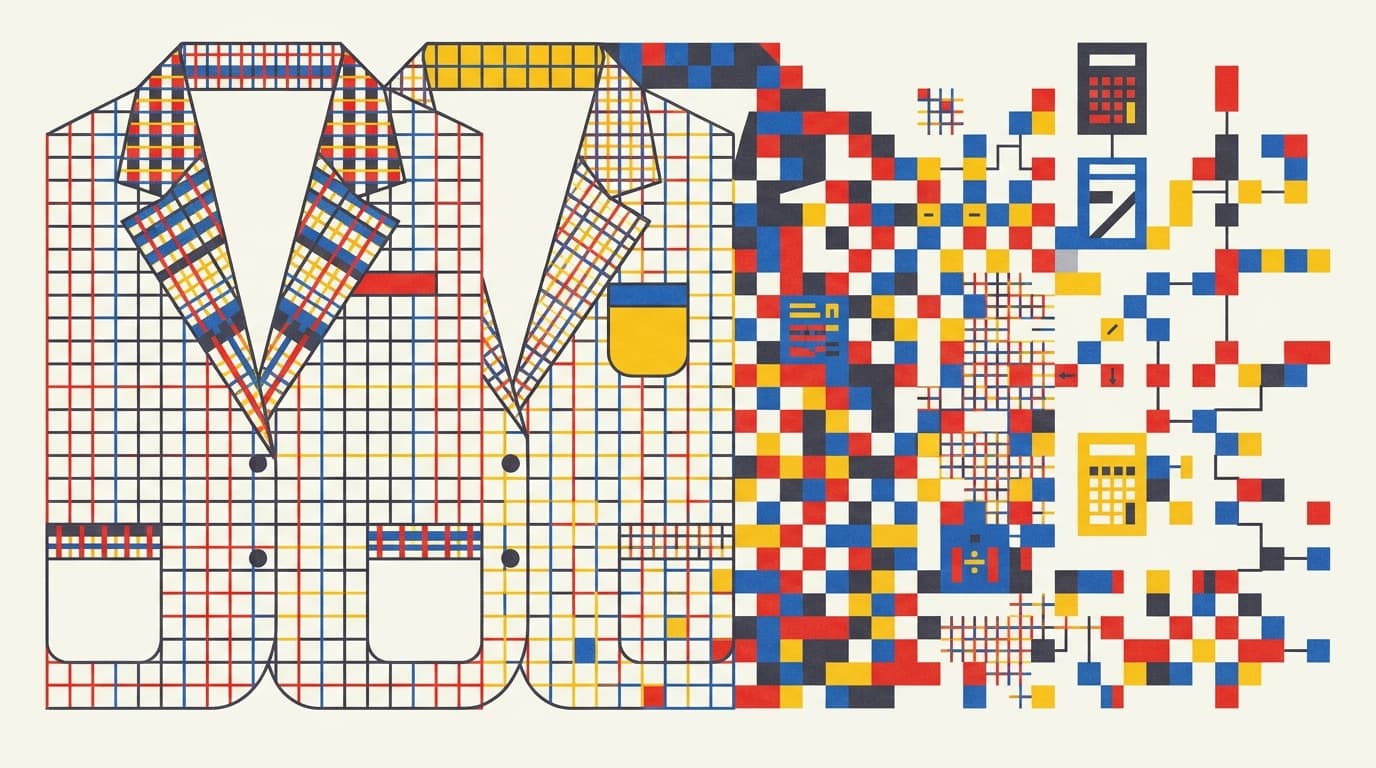
The demographic shift is real. The aesthetic now being sold on top of it is something else. TikTok has named the look -- office siren -- and the look has moved past TikTok onto the runway. Stella McCartney's Paris show put photocopiers and water coolers on the catwalk and called the show, with the kind of branding decision you can only make in fashion, Laptop to Lap Dance. Brands are selling blazer and desk the way they sold sourdough and linen aprons three years ago.
Those are not the same animal. Cottagecore failed because the aesthetic outran the demographic. Office siren risks the opposite failure: a real demographic wrapped in a costume that has nothing to do with the work the women are actually doing. The third-year associate pulling $130k in Manhattan is not the same girl posting a desk-set TikTok in a Zara blazer, and the brand machine is currently betting it cannot tell the difference. Sundberg's quote-tweet is a flag in the ground saying: I noticed.
A lot of what was branded as ambition was actually exploitation that you were OK with.>
-- Kate Lindsay, formerly of Refinery29, in Vogue
That is the line every brand currently writing a 2026 back-to-the-office campaign should be made to read out loud before the cameras roll.
What is actually new
The 2015 girlboss was a narrative. It was Sophia Amoruso autobiographies, TED talks, the cult of the founder, the Lean In hardcover on every dorm shelf. It was sold to women as a story about becoming, and it broke because the story was always doing more work than the underlying business.
The 2026 version is not a narrative. It is a demographic. Women happen to make the money now, partly because young men are falling behind on degrees, sector access, and earnings, and partly because the labor market spent a decade rewarding the kind of work women had already chosen to do. There is no slogan attached. There is no totebag. The women carrying this trend are not buying a story; they are cashing checks.
That is also why the aesthetic version of it is dangerous. Wrapping a real demographic shift in a feminist-tinged shopping moment is the move that broke the trend the first time. The risk is not that the girlboss returns. The risk is that the costume of the girlboss returns -- the blazer, the desk, the office siren, the runway photocopier -- and gets sold back to women who are already winning at margins they do not need a marketing team to confirm.
The real winners of this era will not call themselves girlbosses. They have watched the brand cycle. They saw Glossier crater. They saw Audrey Gelman get profiled in Vulture in 2020 and they remember which page of the magazine she was on. They are not posting boss-energy reels. They are sending money home to their mothers, dating sideways, and quietly buying the apartment.
The tradwife is over. The girlboss did not come back. She just stopped wearing the t-shirt.
Hat tip: @pridesai for spotting it first, and @Emily_Sundberg for naming what the brands are about to do with it.
Further reading
- Vogue, "Is the Girlboss Making a Comeback?" (March 2026)
- Bloomberg, "Revenge of the Girlbosses" (August 2025)
- Fortune, "Can Sheryl Sandberg's Lean In counter the rise of tradwives and the manosphere?" (March 2026)
- LBC, "Gen Z women in the UK are paid higher than young men" (June 2025)
- 34th Street, "The 'Office Siren': Professionalism in Practice or Corporate Cosplay?" (November 2025)
- Reason, "Lara Trump and Katie Miller cite junk poll about Gen Z tradwives" (April 2026)